The Ultimate Guide to Choosing Your Perfect Trekking Shoes
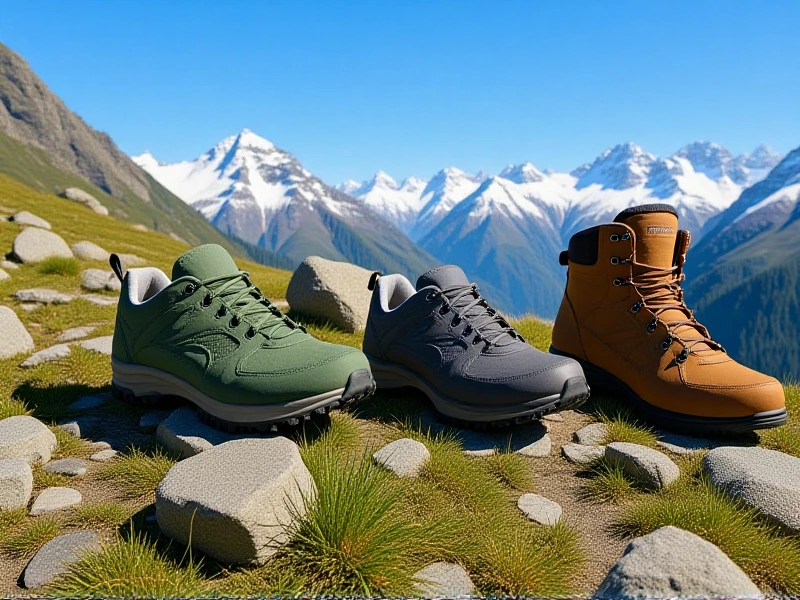
Finding the right trekking shoes can make or break your outdoor adventure. Your feet are your vehicle in the wilderness, demanding footwear that combines protection, support, and adaptability. With countless options on the market, selecting the ideal pair requires understanding key features matched to your hiking terrain and personal needs.
Durability & Traction: Premium trekking shoes feature robust outsoles with deep, multi-directional lugs – typically Vibram® or similar quality rubber – that dig deep into mud, scree, and slippery rocks. Look for reinforced toe caps and abrasion-resistant uppers (often synthetic mesh/leather blends) that withstand rough trails without sacrificing breathability.
Ankle Support & Stability: Low-cut models offer agility for well-maintained trails, while mid-cut designs provide crucial ankle support on uneven terrain, reducing twist risks. High-ankle boots deliver maximum stability for heavy packs or technical routes. Consider your typical pack weight and trail difficulty when choosing height.
Waterproofing & Breathability: Membrane technologies like Gore-Tex® excel in wet conditions but add weight/heat. For dry climates or fast hiking, non-waterproof trekking shoes with enhanced drainage offer superior breathability. Prioritize based on your adventure locations – humid jungles demand different performance than arid mountains.
Fit & Comfort: Always try trekking shoes in the afternoon (feet swell!), wearing intended hiking socks. Ensure a thumb’s width of space ahead of your longest toe for downhill comfort. Test for heel slippage and pressure points by simulating inclines on stairs. Break them in gradually before big hikes! Remember: perfect trekking shoes disappear beneath you, becoming a seamless extension of confident strides across mountains, forests, and river crossings. Invest wisely in this critical gear – your feet will thank you mile after mile.</>