Why Quality Hiking Shoes Matter for Your Next Trail Adventure
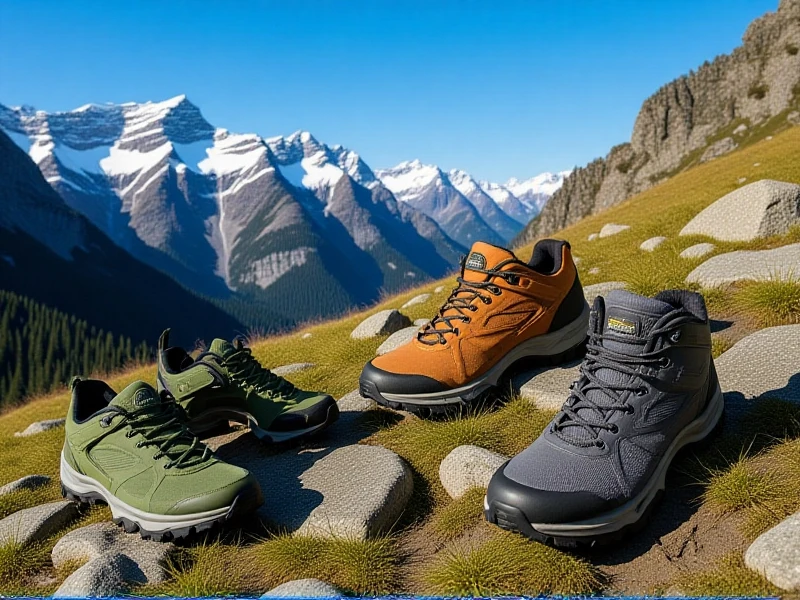
Hitting the trails? Choosing the right hiking shoes isn't just about comfort; it's crucial for your enjoyment, performance, and safety on varied terrain. Your feet are your foundation outdoors, and investing in proper hiking shoes protects them while maximizing your connection with nature. From rocky scrambles to muddy paths, the demands placed on your feet and ankles require specific support and protection that standard sneakers simply cannot provide.
Here’s what sets dedicated hiking shoes apart and what to consider when buying:
- Unmatched Support & Stability: Look for models with reinforced midsoles and structured heel counters. This offers essential ankle support on uneven trails and helps prevent rolling your ankle.
- Superior Traction: The outsoles (lugs) on hiking shoes are designed to grip loose dirt, rocks, slick roots, and wet surfaces far better than everyday footwear. Vibram® soles are a popular benchmark for exceptional grip.
- Enhanced Durability & Protection: Harsh trails quickly destroy flimsy shoes. Quality hiking shoes, often made with robust leathers or synthetics (like ripstop nylon), feature protective toe caps and rock plates shielding your feet from sharp impacts.
- Weather Resistance: While not always fully waterproof, many hiking shoes (especially boots) incorporate waterproof-breathable membranes (like Gore-Tex®) to keep feet dry from morning dew, creek crossings, or unexpected rain. Lightweight, non-waterproof models excel in dry heat.
- Comfort Engineered for Miles: They’re designed to be comfortable right out of the box without the significant 'break-in' period needed for heavy hiking boots. Ample cushioning absorbs shock, reducing fatigue over long distances.
Why Avoid Regular Sneakers?
City sneakers lack the deep tread needed for secure footing, offer minimal ankle support on technical trails, and won't stand up to repeated abrasion from rocks and roots. Their thin soles transmit every hard impact to your feet, leading to discomfort or fatigue much faster. You risk blisters, rolled ankles, bruising, and potentially a cut-short hike.
Finding Your Perfect Fit (The Non-Negotiable Step!)
The single most critical factor in choosing hiking shoes is fit. Visit a reputable outdoor retailer:
- Shop late afternoon: Feet naturally swell during the day.
- Wear your hiking socks: Bring the socks you'll actually hike in.
- Measure both feet: Size can change over time.
- Try with insoles: If you use custom orthotics or specific insoles (like SuperFeet), bring them.
- Leave room: You need wiggle room at the toes (about a thumbnail's width) to prevent rubbing on steep downhills.
- Test: Walk on incline/decline surfaces. Kick the toe against a surface – your toes shouldn't jamb into the front. Good boots like Salomon or Merrell often have specific designs catering to different foot shapes.
Don't let uncomfortable or inadequate footwear ruin your time in the wilderness. Investing in a pair of well-fitted, high-performance hiking shoes is an investment in your adventures, ensuring you can tackle more trails confidently and comfortably for miles to come. Your feet will thank you!