Your Adventure Starts Below: Why The Right Trekking Shoes Matter
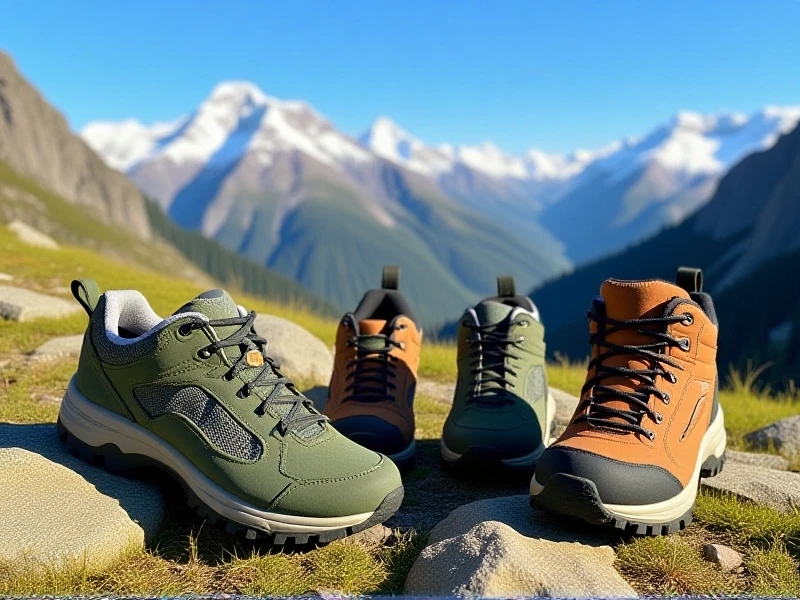
Ever shoved those old sneakers in your backpack, hoping they'd suffice for a day on the trail? If you've suffered blisters, slips on loose rock, or damp, miserable feet, you learned the hard way: specific trekking shoes aren't a luxury; they're essential. Your feet are your primary transport outdoors, and choosing the right companion dramatically impacts comfort, performance, and safety.
So, what sets dedicated trekking shoes apart? It boils down to protection, support, traction, and durability. Unlike standard runners, these are crafted precisely for unpredictable terrain.
- Unshakeable Grip: Your soles meet the earth. Quality trekking shoes feature high-traction rubber outsoles, often with aggressive multi-directional lugs. This "claws" into mud, loose scree, wet roots, and rocky surfaces, drastically reducing slips and giving you confidence with every stride.
- All-Day Comfort & Support: Think ankle stability. Mid-cut designs are popular, offering crucial support on uneven ground without the bulk of full hiking boots. Precise cushioning in the midsole absorbs shock, reducing leg fatigue over miles. A secure, locked-in heel prevents blisters, while ergonomic footbeds cradle your foot naturally.
- Weather Warrior: Feet hate being wet. Reputable trekking shoes utilize waterproof yet breathable membranes (like GORE-TEX®). This shields you from stream crossings, muddy puddles, or sudden downpours, while still allowing sweat vapor to escape, keeping feet drier inside. Ventilated, non-waterproof options excel in hot, dry climates.
- Tough & Protected: Exposed toes meet rocks. Reinforced rubber toe caps and protective randing wrap around the base of the shoe, shielding your feet from impacts and abrasions against rocks, roots, and debris. Durable uppers (often a blend of synthetic mesh and leather) resist tearing.
Choosing your perfect pair depends on the terrain, distance, pack weight, and personal fit. Evaluate:
- Stiffness vs Flexibility: More rigid soles handle rocky trails and heavier loads better; more flexible soles feel nimble on smoother paths.
- Weight: Lighter trekking shoes are agile for fast hikes, while slightly heavier models offer more support for rough trails or heavier packs.
- Fit is King: Always try them on with hiking socks! Ensure ample toe room (wiggle space!), a secure midfoot hold, and no heel slippage. Your feet swell when walking long distances – factor this in. Walk around the store, test an incline if possible.
Investing in the right trekking shoes isn't just about gear; it's investing in the joy and success of your adventure. Reduce fatigue, prevent injury, and conquer terrain with confidence. Your feet – and your journey – will thank you profoundly. Don't start your next trail compromised. Gear up correctly.